The efficiency of a lift station can be assessed long before it’s an actual concrete structure that includes pumps, pipes and valves. The design of the final lift station is influenced by several factors such as the flow calculation, the elevations of the site, pressures in the system, wastewater characteristics, peak circumstances, accessibility to maintenance, control systems and the capacity to come in the future.
The primary question important for project managers to ask when comparing the most reputable lift station designers is not who can create the pumps. It’s not about who can make pumps specific however, but who can translate the operating requirements and site conditions into a design that’s easy to construct, operate and maintain.
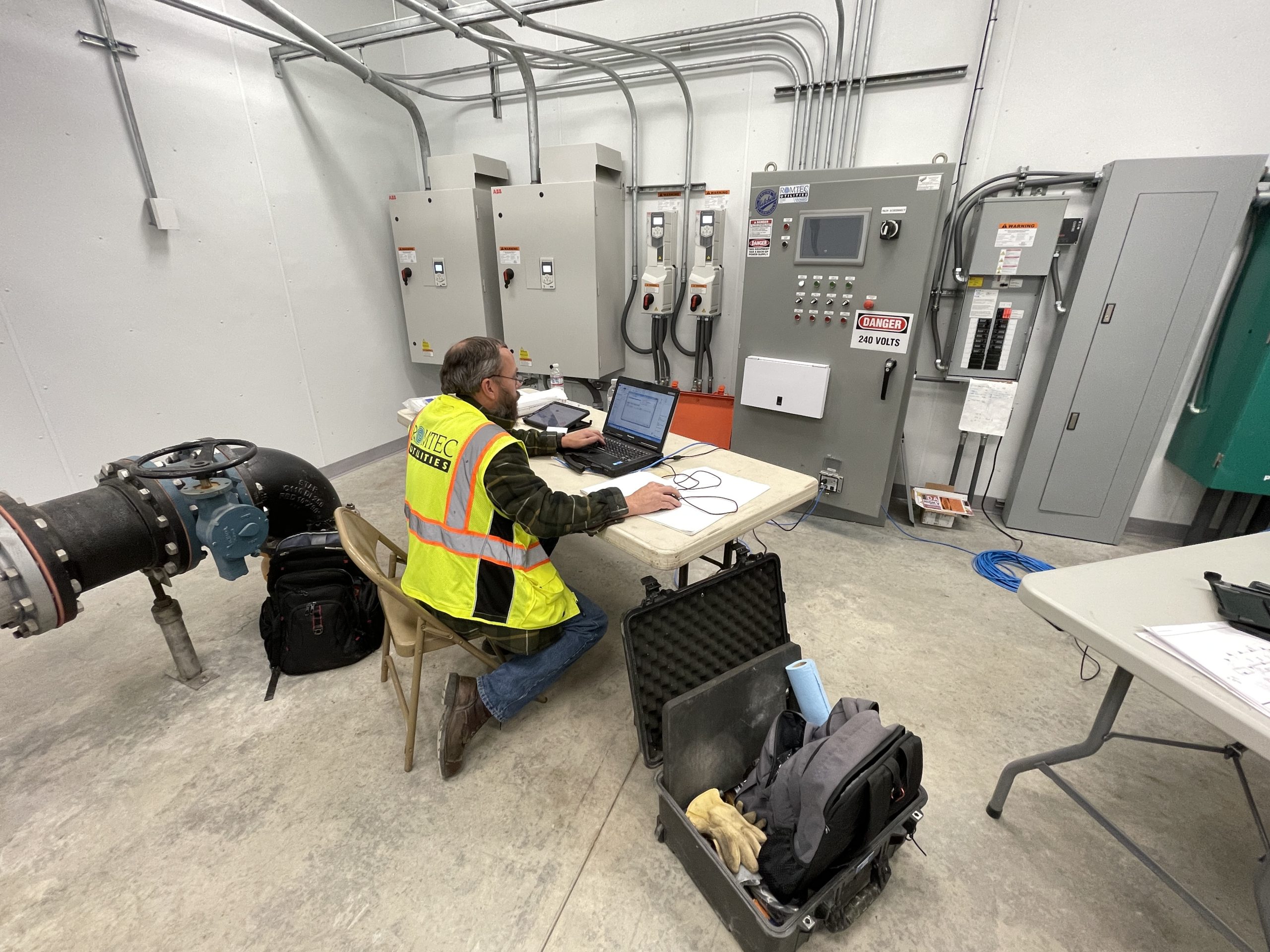
Image credit: romtecutilities.com
Gravity has Limits
Gravity is often the easiest way to move wastewater. But terrain and building patterns can make this difficult. New commercial, residential and industrial sites may sit too low, too distant, or in areas where the extension of gravity sewers isn’t feasible.
A lift station is the required force mechanically to transport wastewater towards the next location in the system of collection. Yet designing one requires understanding both normal operation and less favorable situations, like peak flow pumps, maintenance of pumps or equipment malfunction, or future increases in demand.
The most effective companies in wastewater design should be able to evaluate the whole problem, instead of just focusing on the station.
The existing infrastructure can make the puzzle more difficult
The main issue isn’t building new structures. Municipalities often have to replace or retrofit aging stations while keeping vital infrastructure for wastewater functioning.
Wet wells that are in use, force mains, electrical services, controls, site boundaries, and downstream infrastructure could limit the new design. Engineers must determine what can be left in place, what will require replacement and how the new components will be integrated into the existing system.
Romtec Utilities offers pumping solutions for private, municipal industrial, commercial, and retrofit projects. Pumping systems can be adapted to meet the particular requirements of each project.
Stormwater is subject to different rules
The best stromwater system designers using the supplied search terminology must solve a different hydraulic problem. Stormwater systems are susceptible to extreme volume fluctuations depending on rainfall, as well as other variables like drainage area as well as the capacity of detention and the rate of discharge.
A facility serving a detention basin, for instance, may need to hold the runoff for a short time and then pump it out at a controlled rate. Engineers must take into account flow and head conditions, environmental demands as well as flood management goals as well as the particulars of the receiving drain system.
Prefabrication is a way to move work from the worksite
Field assembly is a difficult process that could result in schedule conflicts, errors delays, reversals, and even changes orders. Romtec Utilities performs significant prefabrication of equipment prior to the construction site.
In a controlled atmosphere performing more assembly work and quality control can speed up construction in the field. Romtec Utilities’s project-based approach can cut down on the time it takes to install certain installations.
Our commitment to engineering success extends to the commissioning process.
A station isn’t proven simply because every component is installed. Romtec Utilities offers installation advisors for assistance with construction which includes startup check of the control panel and pump operation, system testing, and training for personnel. Documentation is also provided to provide operators with information on how to keep the system running and think about expansion in the future.
People who want to find the top designers of lift stations should be aware of this last stage. Good engineering should produce more than an acceptable set of drawings. It should leave the owner with a functioning system and a skilled staff, as well as useful documentation, and equipment designed to meet the demands the station will face during normal operation.